Key Points:
- In-home ABA therapy brings structured autism support directly into your child’s home, making learning feel natural and stress-free for many families.
- Home-based ABA therapy lets therapists target real-life skills in the environment where your child actually lives, eats, and plays every day.
- Parents play an active role in home ABA programs, which helps skills carry over long after the therapist leaves for the day.
When your child is diagnosed with autism, finding the right support can feel overwhelming. Many families start searching for in-home ABA therapy because it fits into daily life without adding extra trips to a clinic.
Home-based ABA therapy brings trained professionals directly to your door, working with your child in the space they know best.
This article walks you through exactly how it works, what a typical week looks like, and what you can realistically expect as a parent stepping into this process for the first time.
What Is In-Home ABA Therapy?
Applied Behavior Analysis, or ABA, is a therapy approach that uses proven techniques to help children with autism build skills and reduce behaviors that get in the way of learning. When this therapy happens in your home instead of a clinic, it is called home-based ABA therapy or in-home ABA services.
The core idea is simple. Children often learn best in the places where they spend the most time. Your home already has the furniture, the toys, the family members, and the daily routines your child knows. A therapist working inside that space can use all of it as part of the session. Instead of practicing how to ask for a snack in a clinical room, your child learns it at your actual kitchen counter.
ABA therapy at home also tends to work well for children who feel anxious in new places. For kids who struggle with sensory challenges or transitions, skipping the car ride and the unfamiliar waiting room can make a real difference in how ready they are to learn.
How In-Home ABA Services Are Set Up
The Initial Assessment
Before any sessions begin, a Board Certified Behavior Analyst, commonly called a BCBA, will conduct an assessment of your child. This is not a diagnostic evaluation. Instead, it looks at what skills your child already has, what areas need support, and what behaviors may be affecting their daily life.
The assessment covers communication, social interaction, daily living skills, and more. Parents are a big part of this step. You will be asked about your child’s routines, preferences, and what matters most to your family right now.
Building the Treatment Plan
Once the assessment is complete, the BCBA creates a treatment plan built around your child’s specific needs and your family’s goals. This plan lays out which skills to target first, how sessions will be structured, and how progress will be measured over time.
The plan will also include a behavior intervention plan if your child has specific behaviors that need to be addressed. This document guides the therapist during every session so that support is consistent from day to day.
Who Delivers Home ABA Programs?
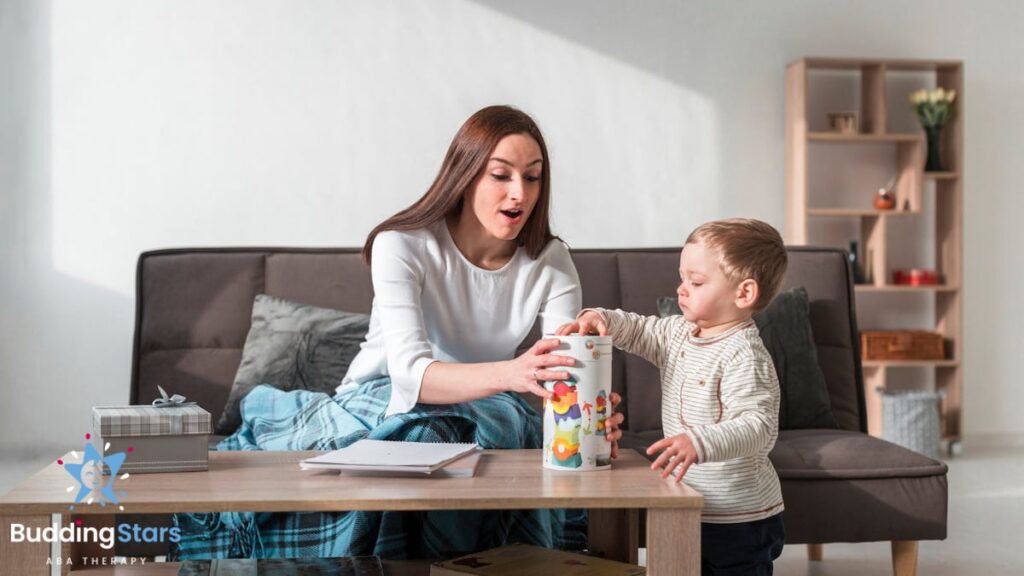
Most in-home ABA programs involve a team. A BCBA oversees everything, designs the plan, and supervises the work. A Registered Behavior Technician, or RBT, is the person who typically shows up at your door for the hands-on sessions. RBTs are trained and supervised professionals who follow the plan the BCBA creates.
The BCBA usually visits less often but checks in regularly to review data, adjust the plan when needed, and meet with parents. Some providers may have the BCBA present during sessions more frequently, especially early on.
When searching for ABA providers near me, it helps to ask about how often the BCBA is involved directly, how many hours per week your child would receive, and what the supervision ratio looks like. These details vary by provider and by how much support your child needs. Families who get started earlier often see stronger results, which is why early intervention is always recommended when possible.
What Happens During a Home ABA Session?
Sessions can look very different depending on your child’s age, needs, and the goals in their plan. That said, most home ABA sessions share a general structure.
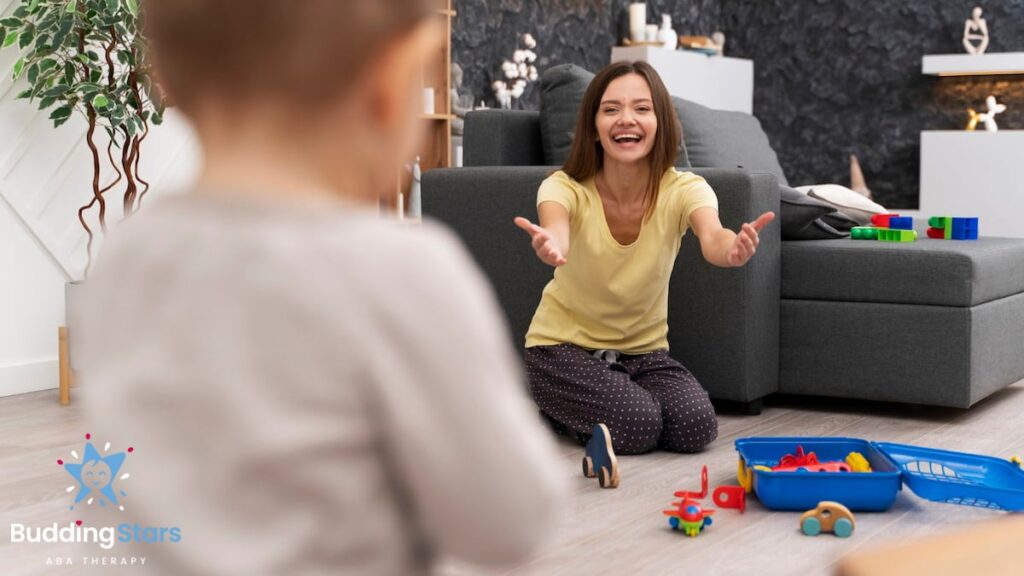
The therapist arrives, greets your child, and eases into activities. This warm-up period matters because it helps your child feel comfortable and sets the tone for the session. From there, the therapist moves through a mix of structured learning activities and more natural play-based moments. Both approaches are evidence-based and have their place depending on what is being targeted.
For example, a session might include working on requesting skills at the snack table, then practicing turn-taking during a board game, and then working on emotional regulation when it’s time to stop an activity your child enjoys. Everything is intentional, even the parts that look like play.
Data is collected throughout. The therapist takes notes on how your child responds to each task, which helps the BCBA see what is working and what needs to change.
What Mobile ABA Therapy Looks Like Week to Week
Mobile ABA therapy adapts to your child’s schedule rather than asking your family to reorganize your life around a clinic’s hours. Sessions are usually scheduled on weekdays during hours that work for your family, and many providers offer some flexibility with timing.
A child receiving intensive support might have sessions five days a week for several hours each day. A child who needs lighter support might have shorter sessions, two or three times a week. The number of hours is usually guided by the treatment plan and what your child’s insurance covers.
Week to week, parents often notice small changes that add up. Your child may start asking for things using words instead of grabbing. They might start tolerating routine changes a little better or sitting for meals longer. These shifts do not happen overnight, but they do happen with consistent sessions and follow-through.
How to Find In-Home ABA Services Near You
Finding ABA providers near me does not have to be complicated, though it can take some time. Start by contacting your child’s pediatrician, who can often give a referral. Your insurance company is another starting point, as most providers that accept insurance will be listed on their website.
You can also reach out directly to ABA agencies in your area and ask if they offer in-home autism therapy services. When you call, ask about availability, waitlists, how quickly an assessment can be scheduled, and what the process looks like from start to finish.
If your child has already received an autism diagnostic evaluation, bring that documentation when you reach out to providers. It speeds up the intake process and helps the BCBA get a clearer picture faster.
What Parents Should Realistically Expect
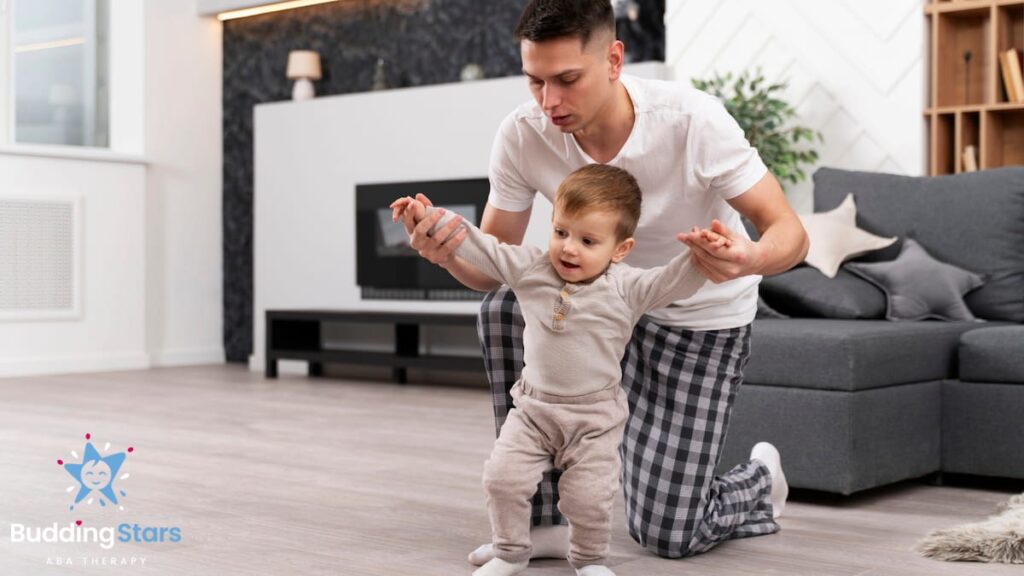
In-home ABA therapy for kids at home requires something from parents too. You will be asked to be present, at least in the background, during sessions. You may be asked to participate in some activities or learn specific strategies you can use when the therapist is not there.
Progress takes time. Parents who go in expecting dramatic changes in the first few weeks are often disappointed. The families who feel best about the process are those who understand that real, lasting skill-building is a slow and steady process.
It is also normal to feel emotional during this. Watching your child work hard, sometimes struggling, can be hard. It can also be deeply encouraging. Give yourself grace, stay curious, and communicate openly with the BCBA when something does not feel right.
One thing that helps enormously is parent training in ABA therapy. Most providers build this into their programs because parents who understand the strategies get better results for their kids.
Frequently Asked Questions
How many hours of in-home ABA therapy does my child need?
Hours vary based on your child’s needs and age. Some children benefit from 10 to 15 hours per week, while others may need 25 to 40 hours. The BCBA’s assessment will help guide a recommendation.
Will insurance cover home-based ABA therapy?
Most major insurance plans in the United States are required to cover ABA therapy. Coverage details, including copays and session limits, vary by plan. Call your insurance provider before starting to understand your benefits.
Can my child receive both home-based and clinic-based ABA therapy?
Yes, some children receive services in multiple settings. This can be helpful for targeting different skills in each environment. Talk to the BCBA about what combination makes sense for your child’s goals.
What if my child refuses to work with the therapist at first?
This is common and expected. Therapists are trained to build rapport before pushing into difficult tasks. Most children warm up over time. Share any concerns with the BCBA so they can adjust the approach early.
How will I know if the therapy is working?
Progress is tracked through data collected during every session. The BCBA reviews this regularly and will share updates with you. Most families notice meaningful changes within a few months of consistent sessions.
Bring Therapy Home, Build Progress Where It Matters Most
Finding the right support should feel simple and close to home. In-home ABA therapy near me searches often lead families to options, but what matters is how care fits into daily life. Home-based ABA therapy allows children to learn skills in familiar spaces where routines already exist. That comfort often leads to stronger engagement and more meaningful outcomes.
Budding Stars ABA delivers in-home autism therapy services that meet children where they are, both physically and developmentally. Each plan is shaped around real routines, helping therapy feel like a natural part of the day rather than a disruption.
Reach out to Budding Stars ABA today to explore how ABA therapy at home can support growth, independence, and lasting confidence.