

Key Points:
- Watch for autism signs in age 2, including limited eye contact, delayed communication, and repetitive behaviors, to support early evaluation and intervention.
- Understanding early autism symptoms empowers caregivers to notice behavior concerns, seek professional guidance and consider Applied Behavior Analysis support early.
- Identifying toddler behavior concerns such as lack of response to name, restricted play, or sensory sensitivities can guide timely conversations with pediatricians.
Toddlers develop at different paces, making it difficult to know what is typical and what may need attention. When eye contact is limited, speech is delayed, or play seems different, questions often arise.
Many families notice autism signs age 2 through toddler behavior concerns such as limited response to name, repetitive play, or difficulty with transitions.
Early autism symptoms may be subtle and do not always indicate a diagnosis, but they signal the value of early observation and support. This guide explains common early indicators and when ABA therapy may help.
Common Early Behaviors in Typical Development
Before exploring indicators, it helps to know expected toddler milestones:
Children usually…
- Respond to their own name by around 9 to 12 months.
- Use simple words and gestures like pointing or waving between 12 and 18 months.
- Engage in pretend play and interact with others by 18 to 24 months.
- Show curiosity, shared attention, and social interest as they grow.
If a child consistently misses many of these milestones, caregivers may notice toddler behavior concerns worth discussing with a professional.
Early Social Communication Differences
Differences in social and communication development are among the earliest indicators of autism.
Limited Eye Contact and Social Engagement
Many toddlers with autism make less eye contact or appear less interested in social interaction. They may seem to look through people rather than toward them, even in warm or familiar situations. Specialists note that limited eye contact, lack of shared attention, and reduced facial expression can all be part of early patterns linked to autism.
Response to Name and Social Cues
By around one year old, most children consistently turn or respond when their name is called. If a child does not regularly respond by 12 to 18 months, this may indicate an area to observe more closely and raise with a pediatrician.
Gestures and Shared Interests
Typical toddlers begin pointing, waving, showing objects, and using gestures to communicate interest or share experiences by about 12 to 18 months. Reduced use of these gestures can be an early sign of communication differences.
Speech and Language Patterns
Language development varies, yet some patterns often accompany autism.
Delayed Speech Milestones
Speech delays can take many forms, from late first words to slower progression of vocabulary. Children with autism may rely more on nonverbal communication or show uneven language skills. Lack of babbling or few spoken words by 18 to 24 months can signal the need for evaluation.
Unusual Language Use
Some children may repeat words without clear context, echo phrases, or use language in a way that seems detached from the moment. These patterns can be associated with autism, especially when paired with social differences.
Behavioral Patterns to Notice
Differences in behavior often become more apparent in toddlers.
Repetitive Movements
Repetitive actions, such as hand flapping, rocking, spinning objects, lining up toys in strict order, or other self-stimulating movements, are common early markers seen in many children with autism.
Rigid Routines and Restricted Interests
Children who resist changes, insist on strict routines, or focus intensely on one object, toy, or topic may be showing a pattern distinct from typical exploratory play. While routines can comfort any toddler, inflexibility that causes distress can be noteworthy.
Sensory Sensitivities
Toddlers on the autism spectrum often show heightened or decreased sensitivity to sensory input. They may be unusually bothered by certain sounds, textures, lights, or smells, or on the contrary, seem indifferent to strong sensations. These responses can affect daily life and play.
When to Worry About Autism Signs in Age 2
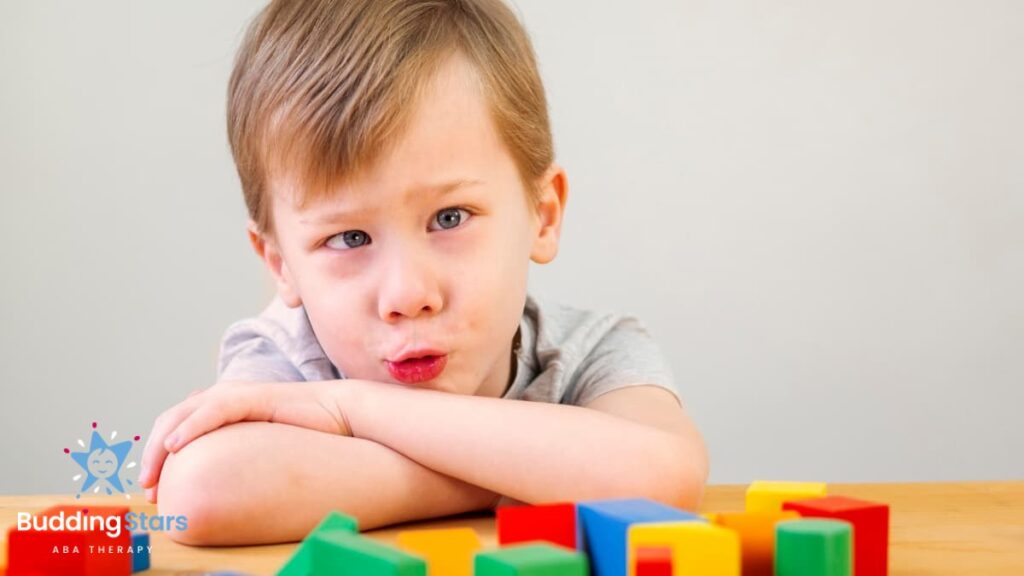
Although children develop differently, childcare experts and health authorities recommend discussing concerns when behaviors persist, cut across contexts, or limit learning and connection.
Signs that health professionals often advise families to explore include:
- Little or no eye contact during social moments.
- Lack of response to names consistently.
- No single words by 18 months or limited word use by two years.
- Repetitive behaviors that dominate play.
- Difficulties adapting to routine changes.
- Limited gestures or shared interest gestures.
Children showing these patterns may benefit from developmental evaluation through a pediatrician or early intervention services.
How Early Evaluation Helps
When caregivers observe patterns that raise concern, seeking early evaluation matters because:
- Professional screening helps clarify whether behaviors are part of typical development or early autism symptoms.
- Early assessments can lead to timely support, which research links to stronger skill development.
- Therapies introduced earlier often yield improvements in communication, social engagement, and daily skills.
The United States Centers for Disease Control and Prevention highlights that children can be screened for developmental concerns at well-child visits, often around 18 and 24 months. Discussing behavior with a pediatrician can open doors to specialist guidance and early intervention evaluations.
What Is ABA and When to Consider It
Applied Behavior Analysis is a structured approach designed to support learning and behavior in children with developmental differences. ABA focuses on building communication, social skills, and adaptive behaviors using positive, measurable strategies tailored to each child.
Families often consider ABA when a child:
- Shows persistent communication differences.
- Has ongoing behavior patterns limiting engagement or learning.
- Struggles with social connection at home or in early childcare.
Because early autism symptoms typically become clearer by age two, many professionals recommend considering supportive therapies like ABA soon after formal evaluation and diagnosis. Early, individualized support often enhances progress and confidence, helping toddlers build essential skills.
Supporting Your Toddler and Yourself

Noticing toddler behavior concerns can be emotional. Caregivers can support their child by:
- Celebrating strengths and growth each day.
- Communicating with pediatricians about observations and questions.
- Seeking developmental evaluations without delay when multiple concerns arise.
- Asking about early intervention programs that may be available locally.
Professional guidance and community support help families navigate early development with empathy and clarity.
Frequently Asked Questions
What are the earliest social signs of autism?
Early social signs include limited eye contact, lack of shared attention, reduced social smiling, and minimal response to a child’s name when spoken, particularly by 12 to 18 months.
How do I know if my toddler’s repetitive behaviors are typical?
Repetitive play can be typical in toddlers. Patterns that are intense, persistent, and interfere with learning or social engagement are worth discussing with a professional.
At what age should I consider early intervention for autism?
If a child shows persistent communication or social differences, early intervention can begin as soon as developmental concerns are identified, often around age two or earlier.
Clarity Starts with Early Support
Noticing developmental differences can feel overwhelming, but early awareness gives families a powerful advantage. When early autism symptoms are recognized, children have more opportunities to build communication, social, and daily living skills during critical developmental years.
ABA therapy focuses on understanding your child’s behavior and teaching skills that reduce frustration while increasing independence. For toddlers showing autism signs age 2, early intervention can support smoother routines, stronger engagement, and fewer emotional challenges at home.
Budding Stars ABA provides compassionate, individualized therapy for families in Maryland and Virginia. Our team partners closely with parents to address toddler behavior concerns using evidence based strategies tailored to each child.
If you have questions or concerns about your toddler’s development, reaching out early can make a meaningful difference. Contact us to explore supportive next steps for your family.