

Key points:
- Daycare-based ABA therapy in Virginia blends therapy with peer play, giving your child skills practice in a real social setting.
- This model works best for toddlers and preschoolers who benefit from group routines, socialization, and structured play alongside therapy goals.
- Sessions combine one-on-one support with group activities, so your child gets individual attention without missing out on daycare life.
If you’re looking into daycare-based ABA therapy in Virginia, you’re probably weighing a few things at once. You want your child to get quality support. You also want them around other kids, playing, learning, and growing socially.
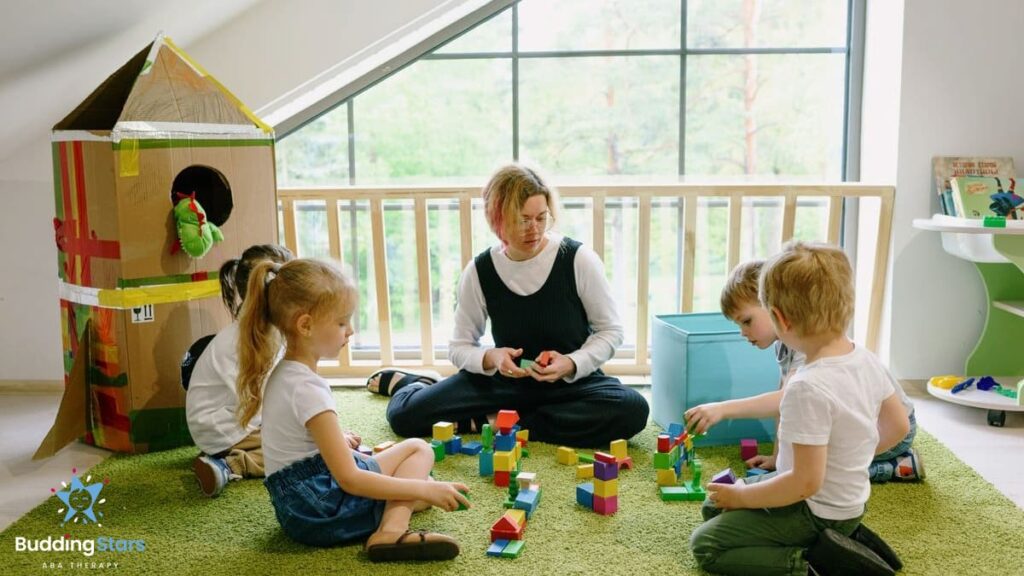
That’s the whole point behind this therapy model. Instead of separating therapy from daily life, it happens right inside your child’s daycare setting. A behavior technician works alongside your child during regular daycare hours, turning everyday moments into learning opportunities. Snack time becomes a chance to practice asking for things. Circle time becomes a chance to practice waiting and following instructions.
This setup gives kids the structure of therapy without pulling them away from the world they already know. Below, we’ll walk through how a daycare ABA program in Virginia works, who tends to benefit most, and what a normal day might look like for your family.
What Daycare-Based ABA Therapy Actually Looks Like
Inside Virginia daycares that offer this kind of support, a behavior technician joins your child right where they already spend their day. There’s no van ride to a clinic. There’s no extra transition to manage. Your child stays in their classroom, with their same teachers and same friends, while therapy happens in the background.
This version of ABA therapy in a daycare setting in Virginia relies on natural routines. Think mealtimes, playground time, and group activities. The technician watches for teaching moments and steps in when your child needs support, whether that’s asking for a toy the right way or handling a change in the daily schedule.
This makes it easier for kids to carry over what they learn during early intervention services, since the skills are already tied to real situations instead of a separate clinic room. Our clinical team coordinates closely with daycare staff so nothing gets lost between environments.
Who Benefits Most From This Setting
Not every child needs the same setup. Some kids do better with quiet, one-on-one sessions. Others do better with people around them. A daycare-based ABA therapy placement in Virginia tends to work well for kids who already attend daycare or who would benefit from more social exposure while working on their goals. There’s no single right answer here. What matters is matching the setting to how your child actually learns best.
Signs Your Child Might Do Well With This Setting
You might notice a few of these:
- Your child watches other kids and seems to want to join in
- They struggle with sharing, waiting, or following group instructions
- They pick up new skills faster when other children model them first
- You want therapy that doesn’t disrupt their current daycare enrollment
If a few of these sound familiar, ask about it during your child’s next ABA assessment, and mention this setting by name.
When a Different Setting Might Work Better
Some children need fewer distractions before they can focus on new skills. If your child gets overwhelmed easily in groups or needs a slower pace before joining bigger activities, in-home ABA therapy might be a better starting point. Many families actually use both, starting at home, then moving into a daycare setting once foundational skills are built.
In-daycare autism therapy in Virginia works well as a second step for a lot of kids, not always the first one. That’s normal, not a setback.
What a Typical Day Looks Like
Every daycare and every child is different, but a typical day tends to follow a similar rhythm.
- Your child arrives and settles into their classroom like any other day
- The behavior technician checks in and reviews the day’s goals with the daycare staff
- Therapy happens alongside regular activities like circle time, art, and outdoor play
- The technician steps in during snack time or transitions to prompt specific skills
- Progress gets noted so your child’s Virginia team can adjust goals as needed
- You get an update at pickup, so you know what happened and what to reinforce at home, building on the same strategies covered in parent training
This rhythm means your child gets consistent support without their whole day being reorganized around therapy. Most kids settle into this pattern within a couple of weeks. Once the routine feels familiar, therapy starts to feel like just another part of the day instead of something separate or stressful.
Benefits of Daycare-Based ABA Therapy in Virginia
Families choose this setting for a handful of clear reasons.
- Your child stays in their existing daycare, keeping friendships and routines intact
- Skills get practiced with real peers, not just adults
- Group settings naturally build patience, turn-taking, and communication
- Your child gets one-on-one attention without losing group time
- Progress often generalizes faster since it happens in a natural environment
These benefits of daycare-based ABA therapy in Virginia add up over time, especially for kids who are already comfortable in a daycare routine. Families across our service areas in Virginia often see the biggest gains within the first few months, particularly when an early autism diagnostic evaluation has already mapped out clear goals.
How to Get Started
Getting your child into a daycare-based ABA therapy program in Virginia usually starts with a conversation, not a big commitment. Your family works with a clinical team to figure out goals, schedule, and whether your current daycare is a fit.
Quick Tips
- Ask your daycare director early, since not every location can support in-daycare therapy
- Bring specific concerns to your assessment, not just general worries
- Expect a short adjustment period as your child gets used to a technician nearby
- Stay in touch with the technician for updates on progress and setbacks
Reviewing ABA therapy services with your team before enrollment helps set clear, realistic expectations from day one. It also helps to look at what skills a typical early intervention program targets, so you know what progress should look like early on.
Signs It’s Time to Ask About This Option

Parents often wait longer than they need to before bringing this up. If your toddler is showing early signs that concern you, or you’renoticing signs your toddler needs early support, a daycare-based option is worth mentioning at your next appointment. Waiting rarely helps, and asking early costs you nothing.
FAQs
Is daycare-based ABA therapy in Virginia covered by insurance?
Many Virginia insurance plans and Medicaid cover ABA therapy, including sessions delivered in a daycare setting. Coverage details vary by plan and provider, so confirm specifics with your insurance and clinical team before starting services.
How many hours of therapy happen during the daycare day?
Hours depend on your child’s treatment plan, daycare schedule, and current goals. Some kids receive a few hours a day, while others receive more intensive support based on their individual assessment and needs.
Will my child’s daycare teachers be involved?
Yes. Daycare staff usually coordinate with the behavior technician so strategies stay consistent across the whole day, not just during direct therapy sessions. This teamwork helps skills stick outside of therapy time.
Can we switch from in-home therapy to a daycare setting later?
Absolutely. Many families start with in-home ABA therapy and transition to a daycare setting once their child is ready for more group exposure and peer interaction throughout the day.
How do we know if our daycare qualifies for this program?
Not every daycare in Virginia can host ABA services. Your provider can help confirm eligibility and coordinate directly with your daycare’s leadership team.
Turn Daycare Days Into Building Blocks for Progress
Daycare shouldn’t feel like a tradeoff between therapy and childhood. With the right support in place, your child can build skills, build friendships, and build confidence, all in the same afternoon. Every snack, every game, and every group activity become a chance for real growth.
Budding Stars ABA helps Virginia families bring daycare-based ABA therapy into the settings their kids already know and love. Our team works directly with your daycare to keep goals consistent and progress moving, without uprooting your child’s routine.
Reach out to us to find out if daycare-based ABA therapy in Virginia is the right fit for your child’s next step.