
Key points:
- Understand how home-based ABA therapy supports learning in real-life routines while reducing stress for children and families.
- Learn what sessions look like, how parents participate, and how progress is measured at home.
- Discover which children and family situations benefit most from ABA therapy at home.
Choosing autism support for your child can feel overwhelming, especially when deciding where therapy should happen. Many families want effective care without adding travel stress or disrupting daily routines. In-home ABA therapy offers a practical option by bringing structured support directly into a child’s everyday environment. This approach focuses on teaching meaningful skills where they naturally occur, such as communication during meals or independence during morning routines.
This article explains what in-home ABA therapy is, how it works, and who it helps most. It breaks down benefits, structure, and family involvement in clear language, without clinical jargon. You will also find research-backed insights from public health and educational sources, along with practical guidance to help you make informed decisions. The goal is to support families seeking in-home autism services that align with real-life needs, values, and schedules.
What In-Home ABA Therapy Really Means
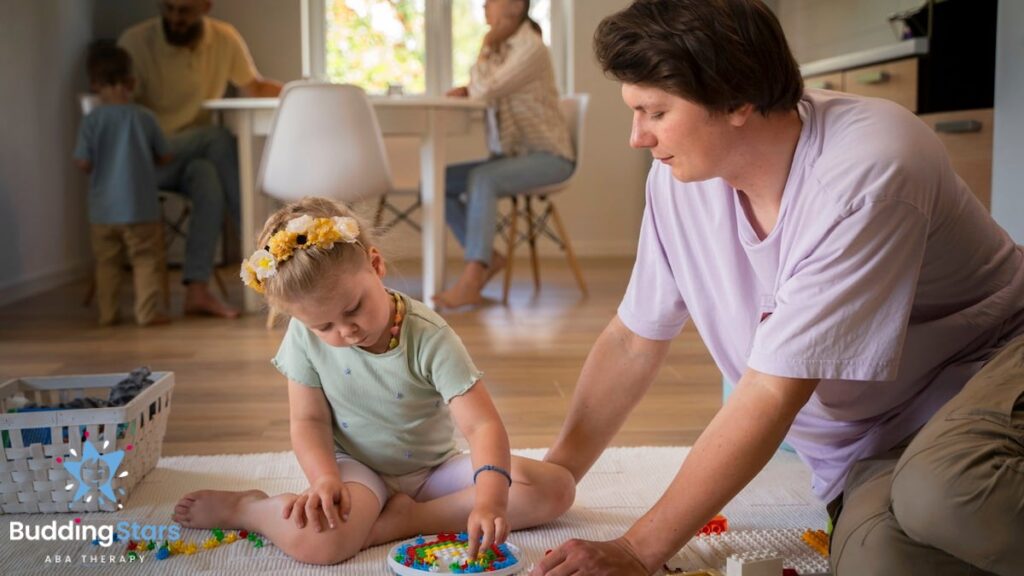
In-home ABA therapy is a form of applied behavior analysis delivered in a child’s home instead of a clinic. Sessions are designed around the child’s daily life, using familiar spaces, routines, and people as learning opportunities. This model is often called the natural environment ABA because skills are practiced where they are actually used.
Unlike center-based programs with controlled settings, therapy at home adapts to real conditions. This includes siblings playing nearby, household noises, or transitions between activities. Research published through federally supported developmental disability networks shows that skills learned in natural settings are more likely to generalize, meaning children use them independently across situations.
For families, this approach reduces travel time and allows caregivers to observe and participate directly. It also helps therapists tailor goals to what matters most at home, such as dressing, toileting, communication, and safety.
Why Families Choose ABA Therapy at Home
Many families choose ABA therapy at home because it fits more naturally into daily life. Children often feel safer and more relaxed in familiar environments, which can lead to better engagement and learning. According to pediatric behavioral research shared by national child health agencies, reduced anxiety supports stronger skill acquisition in young children with autism.
Common benefits families report include:
- Skills taught during real routines like meals, play, and bedtime
- Less time spent commuting to appointments
- Greater consistency between therapy and family expectations
- Easier collaboration between therapists and caregivers
Home-based services also allow therapists to see challenges as they happen, rather than relying only on reports. This leads to more accurate strategies and faster adjustments when something is not working.
How Natural Environment ABA Supports Real Learning
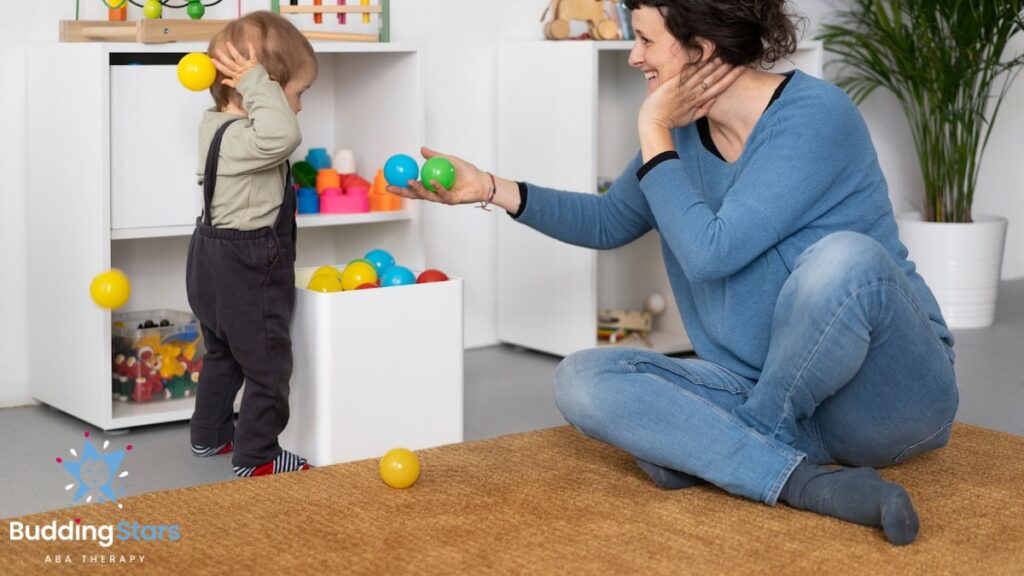
The natural environment in ABA focuses on teaching skills during everyday activities rather than isolated drills. For example, requesting help may be practiced while opening a snack, and turn-taking may happen during a favorite game. This approach aligns with guidance from educational research centers that emphasize context-based learning for children with developmental differences.
Key elements include:
- Using a child’s interests to motivate learning
- Teaching skills during normal routines
- Reinforcing behaviors with natural rewards, such as access to toys or social interaction
Because learning happens in context, children are more likely to understand why a skill matters. Parents also gain practical strategies they can use outside therapy hours, which strengthens progress over time.
Structure of In-Home ABA Therapy Sessions
Although therapy happens at home, sessions are highly structured and goal driven. A supervising behavior analyst designs a personalized plan based on assessments and family priorities. Trained therapists then carry out sessions several times per week.
A typical session may include:
- Warm-up activities to build engagement
- Skill teaching through play or routines
- Practice of previously learned skills
- Data collection to track progress
Progress is reviewed regularly, and goals are adjusted as the child develops. Federal early intervention guidelines emphasize ongoing data review to ensure therapy remains effective and individualized. Families are usually informed about progress and involved in planning next steps.
The Role of Parents in Parent-Led ABA

Parent-led ABA is a core component of successful in-home therapy. Parents are not expected to replace therapists, but their involvement helps skills carry over into daily life. Studies shared by university-based autism research centers show that caregiver participation improves long-term outcomes.
Parent involvement may include:
- Observing sessions to understand techniques
- Practicing strategies between visits
- Providing feedback on what works at home
This collaborative model empowers families and reduces dependence on therapy alone. Over time, parents often feel more confident supporting their child’s communication, behavior, and independence.
Who Benefits Most from Home-Based ABA Therapy
While many children benefit from in-home services, this model is especially helpful for certain situations. Young children, particularly those under six, often respond well because early learning is closely tied to home routines. Public early childhood education resources highlight the importance of family-centered intervention during early development.
In-home therapy may be ideal for children who:
- Struggle with transitions or new environments
- Need help with daily living skills
- Have difficulty generalizing skills from clinics to home
Families with limited transportation or multiple caregiving responsibilities also find this model more accessible and sustainable.
Comparing In-Home and Center-Based ABA
Both in-home and center-based ABA can be effective, and the best choice depends on family needs. Center-based programs offer controlled environments and peer interaction, which can support social skills. However, they may not address home-specific challenges.
Home-based ABA therapy focuses on functional skills within real routines. It allows therapists to address behaviors as they naturally occur. Government-supported autism service reviews suggest that combining structured teaching with natural practice leads to stronger generalization. Some families choose a hybrid model, blending home and center sessions for balanced support.
Addressing Common Concerns About In-Home Services
Families sometimes worry about privacy, distractions, or space limitations. In practice, therapists adapt to each household. Sessions do not require special rooms or equipment. A small area for play and learning is usually enough.
Concerns about distractions are addressed by using them as teaching opportunities. For example, learning to focus despite background noise can be a valuable skill. Research from developmental psychology departments shows that flexible learning environments prepare children for real-world situations.
Privacy is respected, and families can set boundaries around schedules and spaces used during sessions.
Evidence Supporting In-Home Autism Services
A growing body of research supports in-home autism services. Data from national surveillance programs show that early, intensive, and family-involved intervention improves communication, adaptive behavior, and social engagement. Studies published through publicly funded research initiatives highlight that naturalistic teaching approaches increase skill generalization.
Additionally, family satisfaction tends to be high when therapy aligns with daily life. Reduced stress and increased confidence are frequently reported outcomes, which indirectly support child progress. These findings reinforce the value of delivering therapy where children live and learn.
Making the Most of ABA Therapy at Home
Families can maximize benefits by staying engaged and communicating openly with the therapy team. Setting clear priorities helps ensure therapy targets meaningful goals.
Helpful strategies include:
- Sharing daily challenges and successes with therapists
- Practicing skills during normal routines
- Asking questions when strategies feel unclear
Consistency is key. When everyone uses similar approaches, children receive clear messages and predictable support, which research from child development institutes shows enhances learning.
Is In-Home ABA Right for Your Family
Deciding on therapy is deeply personal. ABA therapy at home works best when families value collaboration and are comfortable having providers in their space. It also requires commitment to schedules and participation.
Families who want therapy closely aligned with daily life often find this approach rewarding. It supports independence, communication, and behavior within the context that matters most, the home. Understanding your child’s needs, strengths, and sensitivities can guide the decision toward the most supportive environment.
Frequently Asked Questions
How many hours per week does in-home ABA therapy usually involve?
Most programs recommend between 10 and 30 hours weekly, depending on age and needs. Public early intervention guidance emphasizes individualization rather than fixed hour requirements.
Can siblings be present during home-based ABA therapy sessions?
Yes, siblings are often present. Therapists may include them in activities when appropriate, which supports social learning and reflects real family dynamics.
Does insurance typically cover in-home ABA therapy?
Many insurance plans cover home-based ABA therapy, following state and federal mandates. Coverage varies, so families should review benefits and authorization requirements carefully.
Learning and Growing Where It Matters Most
Home-based ABA therapy brings structured learning directly into the places your child feels safest, your home. In-home autism services allow therapists to observe routines, interactions, and challenges in the natural environment, making therapy highly individualized and meaningful. By practicing skills where they naturally occur, children gain confidence and competence faster, while parents can participate in real-time guidance.
Budding Stars ABA integrates parent-led ABA strategies, helping families reinforce skills between sessions and maintain continuity. Whether it’s daily routines, social interactions, or communication practice, ABA therapy at home adapts to each child’s pace and developmental needs.
If you’re looking to support your child’s progress without the stress of travel or unfamiliar settings, contact us today so we can design a home-based program tailored to your family’s unique lifestyle and goals.