Key Points:
- In-home ABA therapy benefits are especially helpful for children who feel anxious in new environments or struggle to generalize skills learned in clinics to real life.
- Home-based ABA suitability depends on your child’s behavioral profile, family situation, and the specific goals outlined in their individualized ABA therapy plan.
- Recognizing the signs that your child may benefit from one-on-one ABA therapy at home can help your family act faster and access the right support sooner.
ABA therapy is not a one-size-fits-all solution. There are different settings, formats, and intensity levels, and the right choice depends on your child’s unique profile. Home-based ABA therapy works especially well for children who need support in real-life situations.
But how do you know if it’s the right fit for your family? This guide walks through the signs that a child may benefit from in-home ABA therapy and helps parents understand what factors go into that decision.
Understanding What Home-Based ABA Suitability Really Means
When a BCBA recommends home-based ABA, it is not just about preference or convenience. The recommendation is based on a combination of clinical factors, your child’s current skill levels, the behaviors they are working on, and what environment gives them the best chance to make real progress.
Some children do great in a clinic setting because the structured, distraction-free environment helps them focus. Others find that same structure stressful and perform much better when they are in a familiar space. The goal is always to find where your child can actually learn, not just where they can be managed.
A key part of figuring out suitability is a thorough functional behavior assessment, which looks at why your child behaves the way they do and what conditions make it better or worse. This gives the BCBA the information needed to recommend the right setting.
Signs Your Child May Benefit from One-on-One ABA Therapy at Home
They Struggle in New or Busy Environments
If your child becomes dysregulated the moment you enter a waiting room, a new building, or anywhere that feels unfamiliar, in-home ABA therapy can remove that barrier entirely. The child can work on skills without the added challenge of managing a new sensory environment.
Children with significant sensory sensitivities often do better when they can learn in a space where the lights, sounds, and smells are already familiar and manageable.
They Have Difficulty Transferring Skills Across Settings
One of the most common challenges in autism is something called generalization, which means taking a skill learned in one place and using it in another. A child might follow instructions perfectly in a therapy room but completely fall apart when asked to do the same thing at home.
Home-based therapy addresses this problem directly by teaching skills that will actually be used. If a child is learning to set the table, they do it at your kitchen table, not a pretend one at a clinic.
They Are Significantly Younger or Need Higher Intensity
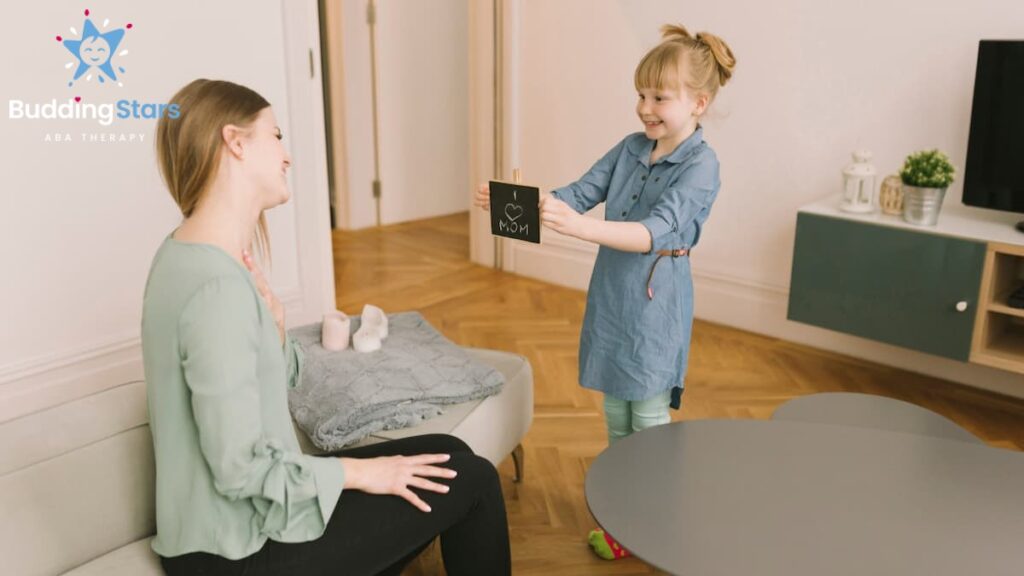
Very young children, particularly toddlers or preschoolers who have recently received a diagnosis, often benefit most from being in a home environment. Early intervention ABA therapy during these years can make a significant long-term difference in developmental outcomes, and doing it at home reduces the transition stress that comes with clinic visits.
They Show Challenging Behaviors at Home Specifically
If the biggest concerns in your household happen at home, such as meltdowns at dinner, difficulty with bedtime, or aggressive behaviors during transitions between activities, then home-based ABA therapy makes the most logical sense. A therapist who is present in those actual moments can gather real data and develop real solutions.
The Family Has Difficulty Getting to a Clinic Regularly
Practical factors matter. If your family has transportation barriers, a demanding work schedule, multiple children, or a child who has a very hard time with car rides, home-based ABA therapy may be the only realistic option for getting consistent services. Consistency is everything in ABA, so removing travel friction makes it more likely that sessions will actually happen.
Benefits of Home-Based Therapy Compared to Other Settings
There are several reasons families and clinicians choose home-based ABA therapy as the primary setting.
- Skills are taught in the actual environment where they need to be used.
- Family members can observe and learn alongside the therapist.
- The child’s comfort level is usually higher, which means better engagement.
- Daily routines like meals, hygiene, and play can all become part of the session.
- Language development goals can be worked on during natural interactions rather than at a desk.
That said, home-based therapy is not always the right fit. Children who are easily distracted by siblings, pets, or household noise may find it harder to focus at home. In those cases, a blend of home and clinic sessions is sometimes recommended.
What Individualized ABA Therapy Looks Like When It Fits Well
When in-home ABA therapy is a good match, you tend to see a smoother start to sessions, less time spent on behavior management, and more time on actual skill-building, and greater carryover into everyday family life. The child is more cooperative because they feel safe. The family is more engaged because the work is happening right in front of them.
Individualized ABA therapy means the plan is built specifically for your child, not borrowed from a template. The goals reflect what your family actually needs, whether that is communication, toilet training, reducing meltdowns, or preparing for school.
For example, if a major family concern is meltdowns at home, the therapist can address meltdown reduction strategies directly within the environment where they happen most. This is far more effective than practicing those same strategies in a different room or building.
How Parents Can Help Identify the Right Autism Therapy Options

Parents are the experts on their own children. If you have noticed that your child melts down during transitions, struggles to play with siblings, or can not seem to apply what they learn in therapy to real situations at home, bring all of that to the BCBA’s attention. You can also watch for early signs of autism that might indicate your child needs more intensive or targeted support sooner rather than later.
When speaking with ABA providers, ask them to explain their intake process and how they decide what setting to recommend. A good provider will not push one format for all children. They will take the time to understand your child’s needs and your family’s situation before making a plan.
It is also worth asking about how they handle progress monitoring, how frequently the BCBA reviews the plan, and how parents are kept in the loop. These details matter because they affect whether the therapy actually moves the needle for your child.
Frequently Asked Questions
Is home-based ABA therapy only for young children?
No. While early intervention is especially valuable, home-based ABA therapy can be effective for older children and teens. The goals shift as children grow, but the home setting remains useful for building real-life skills at any age.
What if my home is too chaotic for therapy sessions?
Therapists are trained to work in real family environments. They can help set up a designated space for structured work if needed. Perfect conditions are not required, and a skilled therapist will adapt to your home’s reality.
How is home-based ABA different from clinic-based ABA?
The therapy techniques are the same. The difference is where sessions happen and how the environment is used as a teaching tool. Home-based ABA uses your actual routines, spaces, and relationships to make skills stick faster in daily life.
Can siblings be involved in home ABA sessions?
Yes, and often this is a goal. Working on social skills with actual siblings is more meaningful than practicing with other children at a clinic. The BCBA will guide when and how to involve siblings appropriately.
What role does insurance play in accessing home-based ABA?
Most insurance plans in the US cover ABA therapy, including home-based services. You may need a diagnosis letter and a treatment plan from a BCBA. Check your specific plan for details about coverage limits and any prior authorization requirements.
See the Signs, Start the Support That Fits
Every child develops in their own way, yet some signs point toward the need for extra guidance. Families exploring who needs ABA therapy often notice challenges with communication, behavior, or social interaction. In-home ABA therapy benefits include focused attention and a setting that feels safe, making it easier for children to respond and learn.
Budding Stars ABA focuses on individualized ABA therapy that adapts to each child’s pace and personality. Through one-on-one ABA therapy, goals stay clear, and progress becomes measurable over time. Connect with Budding Stars ABA to learn how personalized autism therapy can meet your child’s needs and create a path toward steady, meaningful development.