
Key points:
- ABA therapy for siblings works best when brothers and sisters understand what’s happening in age-appropriate terms, not vague explanations that leave them guessing.
- Strong autism sibling support means giving siblings their own space to ask questions, feel frustrated, and still feel proud of their brother or sister.
- Family involvement in ABA therapy, including siblings, helps skills generalize faster and reduces jealousy or resentment that can quietly build up at home.
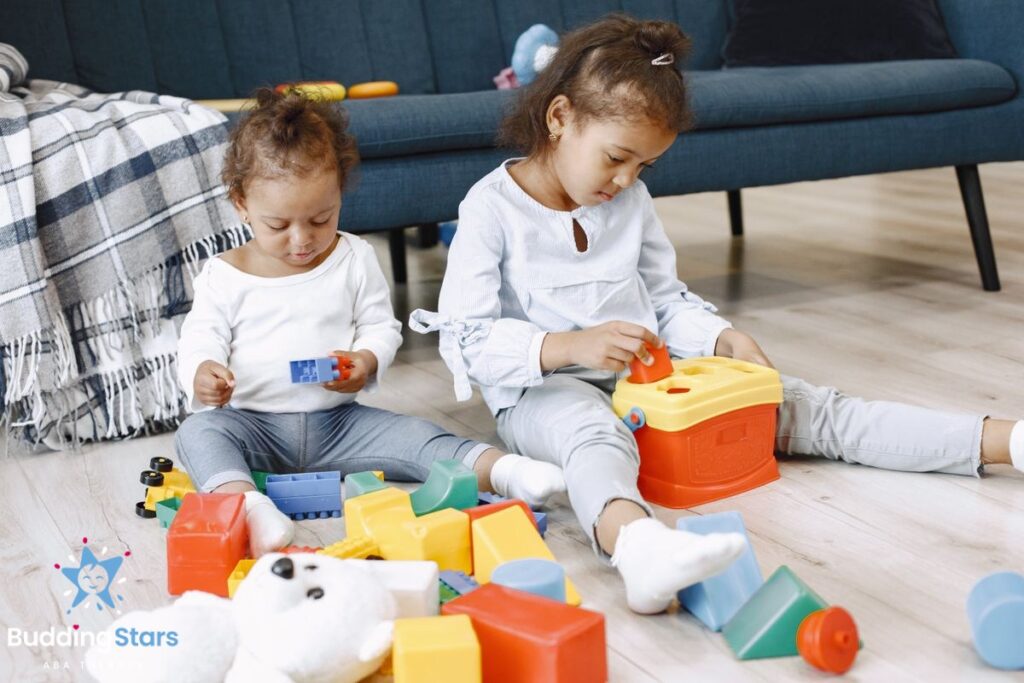
Therapy tends to focus on one child, but siblings are living through this too, even when nobody hands them a schedule or asks how they’re doing. ABA therapy for siblings isn’t a separate program most families think to ask about, but it should be part of the conversation from day one. Brothers and sisters notice the extra attention, the different rules, and the sessions happening in the next room. Left unaddressed, that noticing can turn into quiet resentment.
The good news is that most of this is manageable with a little structure, some honest conversation, and support like parent training that includes the whole household, not just one child.
This guide covers how to bring siblings into the process without adding pressure to either child. A little intention here goes further than most families expect, and it doesn’t require a formal program to make a real difference.
Why Autism Sibling Support Matters From the Start
Autism sibling support isn’t about giving siblings a formal role in therapy. It’s about making sure they aren’t left to make sense of things on their own.
- Siblings often notice differences in attention before anyone explains why
- Unanswered questions tend to turn into assumptions, and assumptions are often wrong
- Early, honest conversations prevent bigger emotional struggles later
Siblings usually pick up on tension long before they understand where it’s coming from. A short, honest explanation almost always beats letting a child fill in the blanks on their own.
Helping Siblings Understand Autism in Age-Appropriate Ways
Helping siblings understand autism starts with language that matches their age, not a clinical explanation they’ll tune out.
For Younger Siblings
- Use simple, concrete language like “his brain works a little differently”
- Read books together that feature siblings of kids with autism
- Answer questions honestly, even the blunt ones
For Older Siblings
Older siblings can usually handle more detail, and they often want it.
- Explain specific therapy goals in plain terms
- Give them room to express frustration without guilt
- Involve them in small, appropriate ways if they want to help
Some older siblings want a real role, even something small like helping with a practice activity. Others need permission to step back entirely. Both reactions are normal, and neither one needs to be forced.
Family Involvement in ABA Therapy: What It Can Look Like
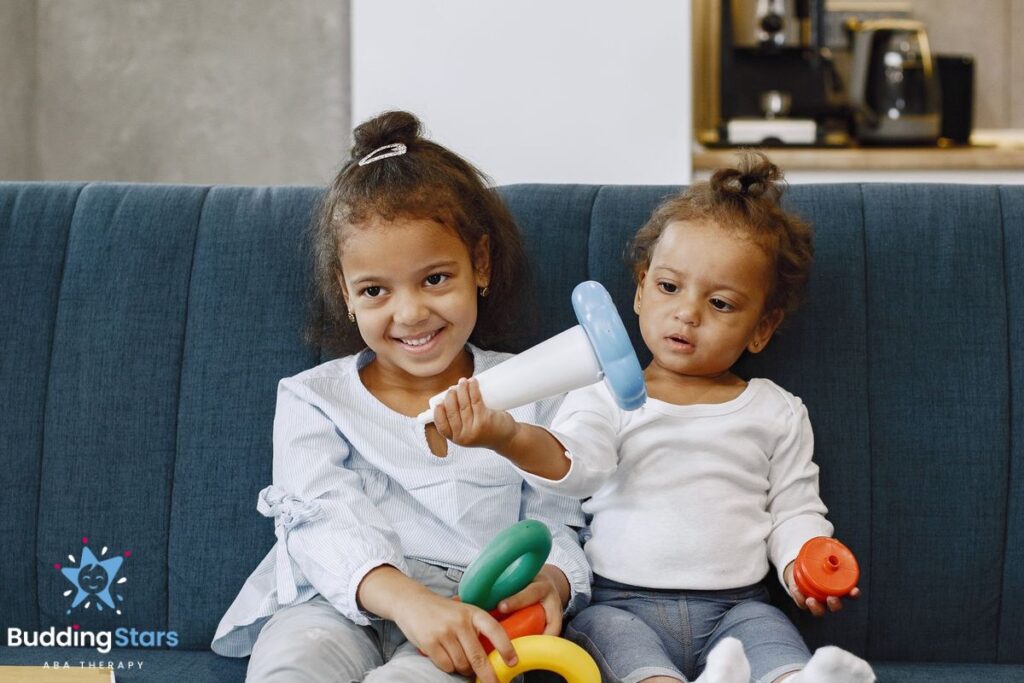
Family involvement in ABA therapy doesn’t mean every sibling sits in on every session. Good ABA therapy for siblings gives brothers and sisters a role that fits their age, whether therapy happens through in-home sessions or a daycare-based program.
- Invite siblings to short, structured play sessions when appropriate
- Ask your child’s therapist for sibling-friendly activities to try at home
- Keep some family activities completely separate from therapy, on purpose
Siblings need to know that not everything in the house revolves around therapy goals. Ordinary, unstructured time together matters just as much as the structured moments.
ABA Therapy Family Training: Getting Everyone on the Same Page
ABA therapy family training works best when it isn’t limited to one parent. After your child’s initial assessment, ask whether training sessions can include other caregivers or older siblings who spend regular time with your child.
- Use the same praise and prompting language across the whole household
- Share basic strategies with grandparents or regular caregivers, too
- Revisit training as your child’s goals change over time
Consistency across caregivers matters more than most families realize. If one adult responds to a behavior differently from everyone else, your child ends up more confused, not less.
Supporting Sibling Relationships in Autism Day to Day
Sibling relationships in autism grow the same way any relationship does, through shared time and shared wins. Strategies that support social skills across settings often carry over naturally into how siblings play together. On harder days, understanding what’s behind meltdowns at home helps siblings feel less scared or confused when one happens.
- Plan one-on-one time with each child regularly, not just when there’s a crisis
- Celebrate sibling wins too, not just therapy milestones
- Let siblings see progress, even little progress, so effort feels visible
None of this needs to be complicated. A weekly game night or a short walk together can do more for a sibling relationship than any formal activity on a schedule.
When Sensory Needs Affect the Whole Household
Sensory challenges don’t just affect your child with autism; they shape the whole household’s routine. Siblings often adjust without anyone asking them to. Learning how to reinforce strategies at home between sessions can include simple adjustments that make shared spaces easier for everyone.
- Give siblings a heads-up before sensory-heavy outings or events
- Create a few sensory-friendly zones that siblings can also use
- Ask your therapist how sensory needs might be affecting sibling routines.
A sibling who suddenly avoids a certain room or gets frustrated during a specific routine might be reacting to a sensory pattern they can’t quite name yet. It’s worth asking about directly.
Autism Family Support in Maryland and Virginia
Autism family support in Maryland and Virginia looks different depending on what’s available locally. Families in Maryland and Virginia should ask providers directly about resources for siblings, including early intervention options if there’s a younger sibling who may need support down the road.
Building a Support System That Includes Everyone

No family does this alone. Ask how a provider’s full range of services supports the whole household, and get to know the team who will be part of your family’s routine for months or years to come. The right team treats questions from siblings and other caregivers as a normal part of the process, not an inconvenience.
FAQs
Should siblings be included in ABA therapy sessions?
Not usually as regular participants, but many programs offer sibling-friendly activities or family training sessions that include siblings in appropriate, structured ways.
How do I explain autism to a young sibling?
Use simple, honest language suited to their age, like comparing brain differences to how people learn differently. Answer questions directly and revisit the conversation as they get older.
My other child seems jealous of the attention. Is that normal?
Yes, this is common and usually temporary. Regular one-on-one time and open conversation about feelings usually help reduce jealousy over time.
Can grandparents or caregivers join parent training sessions?
Many providers welcome other regular caregivers to training sessions. Ask your provider directly, since policies vary by program and by how involved that caregiver is day to day.
How do sensory needs affect siblings at home?
Siblings often adjust routines around sensory needs without realizing it. Talking openly about these adjustments helps siblings understand why certain changes happen at home.
Every Family Member Deserves a Front Row Seat to Progress
Autism therapy tends to center on one child, but the whole family feels the shifts, the wins, and the hard days. Thoughtful ABA therapy for siblings’ support means siblings notice more than they let on, and a little structure goes a long way toward keeping everyone feeling included instead of overlooked.
Budding Stars ABA builds family training and support around the entire household, not just the child receiving therapy, so siblings and caregivers alike understand what’s happening and why.
Reach out to us to talk about how we can support your whole family through treatment, siblings included.