Key points:
- In-home ABA therapy in Maryland brings learning into your living room, where children practice skills in spaces they already know and trust.
- Sessions follow a clear plan that targets behavior, language, and daily living goals, while parents stay involved every step of the way.
- Home-based programs work best for young children who feel more open to learning when surrounded by familiar people, toys, and routines.
Bringing therapy into the home changes what learning looks like for your child. Instead of driving to a clinic, your therapist meets your child where they live, play, and eat. That setting matters more than most parents realize. In-home ABA therapy in Maryland uses your child’s natural surroundings to teach skills that stick.
Toys you already own, the kitchen table where snacks happen, the hallway your child runs down. Each becomes part of the lesson. This approach feels less clinical and more like coaching that fits real life. Parents see what works, ask questions in the moment, and try things alongside the therapist. The goal stays simple.
Help your child grow in ways that show up at home, not just inside a treatment room. This guide breaks down how home-based ABA care works, what to expect, and who tends to benefit most.
What In-Home ABA Therapy Looks Like in Practice
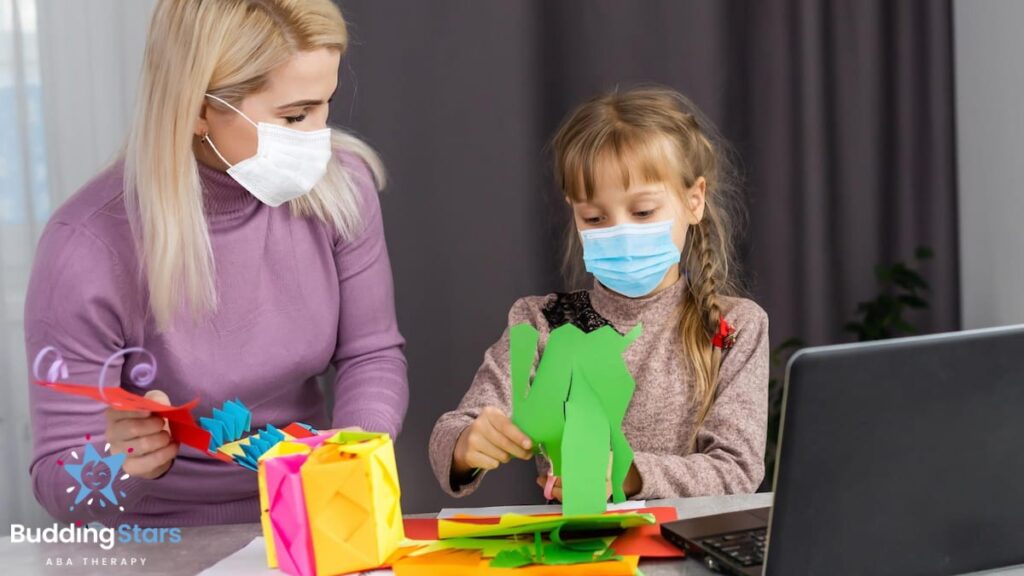
Sessions usually run two to three hours. A therapist arrives with a plan based on your child’s goals and your family’s routines. The first few minutes often involve gentle play to build rapport. Then the real work starts, woven into games, snacks, and chores your child already knows. A typical in-home session moves between teaching and free play, with short breaks built in.
You will notice the therapist using short, clear instructions. They wait for a response, then reward effort with praise, a toy, or a quick break. That cycle repeats throughout the session. Each repetition teaches the brain a new pattern. Over weeks, those patterns turn into habits your child uses without prompting.
Some sessions focus more on language, others on tantrums or sleep routines. A good plan rotates targets to keep your child engaged. Boredom slows learning, so therapists mix things up.
Real Benefits Families Notice First
Skills That Show Up Outside the Session
When a child learns to ask for water in a clinic, they often forget at home. Practicing in the kitchen fixes that. Home-based ABA programs for children target this exact gap. Skills practiced in real settings carry into daily life faster, and that includes everyday independence around dressing, eating, and play.
You will see your child use new words at dinner. Brush teeth without a meltdown. Ask for help instead of throwing a toy. These changes feel small at first, then add up week after week.
Parents Become Part of the Team
You watch every session. You ask questions. You try the strategy yourself while the therapist coaches. That kind of family guidance in ABA therapy turns parents into confident teachers. Many families pair sessions with parent training, so your child gets consistent support across the whole day, not just during therapy hours.
Who Tends to Benefit Most from In-Home ABA Therapy in Maryland

Not every child thrives in a clinic. Some shut down in new buildings. Others get overwhelmed by bright lights, loud noises, or unfamiliar faces. Home sessions remove those hurdles, and you can read more about signs your child may be a good fit before starting.
Children who often benefit most include:
- Toddlers and preschoolers building early communication
- Kids with sensory needs that flare in busy environments
- Children with strong attachment to caregivers
- Families juggling siblings, work, and limited travel time
- Children working on bedtime, mealtime, or potty goals
Pediatric ABA support services delivered at home also help kids who need a slower start. The familiar setting lowers anxiety, which makes the brain readier to learn. In-home ABA therapy in Virginia follows the same model with similar results, and families across the Virginia service area often choose home-based care for this reason.
How a Typical Session Is Planned
A behavior analyst writes the plan after an initial ABA assessment. That plan lists goals, teaching steps, and how progress will be measured. The therapist follows it during every visit. ABA session planning for children gets reviewed every few weeks based on what the data shows.
Steps usually include:
- A short warm-up activity your child enjoys
- Two or three skill targets practiced in natural moments
- A break with a preferred toy or snack
- A parent check-in near the end
This rhythm keeps your child motivated and gives you space to share what you noticed at home between visits.
Tracking Progress Over Time
Therapists collect data during each session. They note how often your child uses a new skill, how long meltdowns last, and how quickly they recover. Numbers feel cold, but they tell a story. They show whether a strategy works or needs adjusting, and they help when meltdowns at home start to ease.
ABA therapy outcomes for children improve when the plan adapts to real progress. Reviews happen monthly or quarterly. You get a clear picture of what changed, what stayed the same, and what comes next. Behavior therapy for children through ABA depends on this loop of teach, measure, adjust.
Common Concerns Parents Share
Some parents worry their home is not set up for therapy. It does not need to be. A small play area, a kitchen table, and a few favorite toys are usually enough. Therapists adapt to whatever space you have, and our in-home service overview covers what gear is actually needed.
Others wonder if their child will resist. Most do at first.
That is normal. Once trust builds, sessions feel less like work, and more like play with a friend. Early intervention ABA therapy at home speeds that adjustment, since younger children adapt to new routines faster. Programs built for infants and preschoolers usually settle into rhythm within the first few weeks.
Choosing the Right Provider
Look for a team that explains things in plain language. Avoid anyone who promises quick fixes. ABA therapy techniques for autism take time, and honest providers tell you that upfront. Ask how often plans are reviewed, who supervises the therapists, and how parents are trained.
Child skill development through ABA improves when the provider treats your family like a partner, and a strong team will share what their services include before you commit.
Ask about the credentials of the people coming into your home. A board-certified behavior analyst should oversee the plan. Daily sessions may be run by a trained behavior technician who works under that analyst’s guidance.
Daily Moments Where You Will See Change First

Parents often ask what progress actually looks like. The answer rarely comes in big dramatic shifts. It shows up in tiny everyday wins. Your child finishes breakfast without a fight. They sit through a haircut. They use a word instead of a scream when something feels off. In-home ABA therapy in Maryland builds these wins one routine at a time, and families across our Maryland service area often notice the shift first during meals or mornings.
Common areas where families see early gains:
- Attention and focus during play, since therapists teach short bursts of joint engagement
- Sensory regulation challenges that ease when triggers in the home are mapped and addressed
- Emotional regulation strategies that turn meltdowns into manageable moments
- Daily living skills like brushing teeth, getting dressed, and using utensils
Even tough behaviors respond. Many families come in worried about aggressive episodes and leave with calmer evenings. Progress feels slow some weeks, then suddenly your child surprises you with something brand new. That kind of moment makes every session worth it.
Frequently Asked Questions
How long does in-home ABA therapy usually last?
Most children attend sessions a few times each week. Programs often run for one to three years, depending on goals, age at start, and how the child responds to teaching.
Will my child still learn social skills at home?
Yes. Therapists teach social skills using siblings, parents, neighbors, and structured play. Generalization to school or playgrounds gets added as your child progresses.
Do I need to be present for every session?
You should be home and available, but not glued to the room. Most programs include parent training portions where your direct involvement is needed.
How do I know if my child qualifies?
A diagnostic evaluation and ABA assessment determine eligibility. Insurance often covers services when a licensed provider documents medical necessity.
Can siblings join the session?
Sometimes, yes. Therapists use sibling moments to practice sharing, turn-taking, and play skills. The therapist decides when that fits the plan.
Make Home the Place Where Progress Takes Root
Your child learns best where they feel safe, and home tops that list. Bringing therapy into familiar spaces turns ordinary moments into chances for growth. Snack time becomes a language lesson. Cleanup becomes a self-help skill. Quiet play becomes social practice.
Budding Stars ABA partners with families across Maryland and Virginia to build home programs that fit real schedules and real kids. Our team brings the structure, you bring the setting, and your child does the growing.
Reach out to us today and see how home-based care can shift the way your family experiences in-home ABA therapy in Maryland. The right plan can change everything, one session, one win, one home at a time.